The Clara Davis Orphans & RFK Jr.
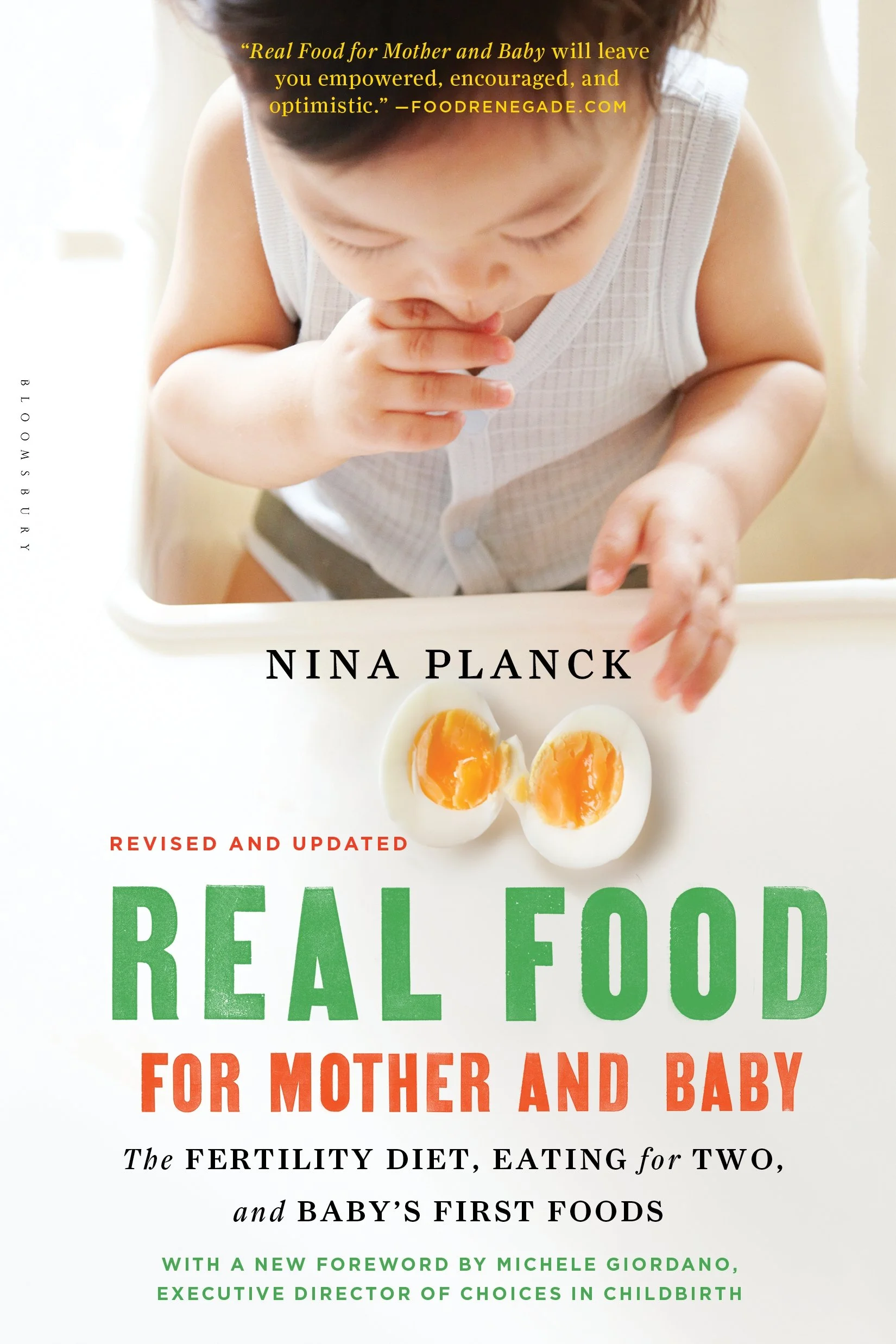
Readers of my "Real Food for Mother and Baby" (2009), written for mother, father, and child up to age two, will remember the Clara Davis babies, little ones in an orphanage who were fed a range of real foods by the Chicago pediatrician Clara Davis. Food offered included sweet milk (whole, raw milk), sour milk, salt, beef, lamb, chicken, bone marrow, bone jelly, sweetbreads, brains, liver, kidneys, fish, and eggs. They got no junk food. Foods were mashed, ground up or finely minced, and babies were allowed to eat ad libitum - as much as they wanted - without direction or portion control. The babies thrived, we are told, and the experts who doubted this unconventional approach had to concede that was likely because the foods Davis offered were, nutritionally speaking, "fool proof." The experiments made a big impression on my mother and in turn me. When it was time to introduce solid foods in addition to breast milk, my mother fed us, and I fed my children, on a wide variety of nutritious, simple, nutrient-dense foods.
The Clara Davis experiments were compelling, if not scientific, and more than fifty years later, they have the luster of a good anecdote and respectable folklore.
It's mind-boggling - and to me, good news - that the US government has now advised parents to feed their children breast milk, and once they start to eat, real foods ad libitum. There are no strict portion controls here, but instead a confidence that simple, traditional foods - not ultra processed foods or mushy cereal in a jar - are the right foods for babies, toddlers, and little kids.
Here is the page, in full, from the January 2026 USDA dietary guidelines on feeding young children. I think RFK Jr is on to something for the right dietary advice for mother, father, and child. (It's essentially real food, but with more nutrients for reproductive health and development.)
It's also good to see the idea that exposure to peanuts can reduce or treat peanut allergies, which was first given mainstream exposure almost twenty years ago and is now common practice.
Don't forget that a number of studies suggest that growing up on a farm, drinking raw milk, and keeping pets reduce allergies and eczema. We're still not quite sure why. It's also good to see the USDA make clear that none of us need sugar to thrive! Important, if easier said than done. I do love honey on my blue cheese and maple syrup in my chocolate milk.
I cover all of this, including anemia in toddlers and the need for Vitamin D, in Real Food for Mother and Baby.
Special Populations & Considerations Infancy & Early Childhood
(from the January 2026 USDA dietary guidelines)
(Birth–4 Years)
+ For about the first 6 months of life, feed your baby only breast milk. When breast milk is not available, feed your baby iron-fortified infant formula.
+ Continue breastfeeding as long as mutually desired by mother and child for 2 years or beyond. If feeding or supplementing your baby with infant formula, stop feeding your baby infant formula at 12 months of age and give them whole milk.
+ All breastfed infants, as well as infants who consume less than 32 ounces of infant formula per day, should receive a daily oral vitamin D supplement of 400 IU starting shortly after birth. Consult your health care professional about vitamin D supplementation.
+ Some infants require iron supplementation. Talk with your health care professional about iron supplementation.
+ At about 6 months of age, infants may begin to have solid foods. It is crucial to continue breastfeeding or formula feeding while solids are introduced. Breast milk or infant formula continues to be the main source of nutrition for your infant up to 12 months of age. - If your infant is at high risk for peanut allergy (due to the presence of severe eczema and/ or egg allergy), talk with your health care professional about peanut introduction as early as 4 to 6 months. This can be done by mixing a small amount of peanut butter with breast milk or formula, thinning it to a safe consistency, and feeding it by spoon. For infants with mild to moderate eczema, introduce peanut-containing foods at around 6 months of age.
+ Introduce potentially allergenic foods—including nut butters, eggs, shellfish, and wheat—with other complementary foods at about 6 months. Ask your infant’s health care professional about their risk for food allergies and safe ways to introduce these foods.
+ Infants should receive a diverse range of nutrient-dense foods in appropriate textures, while avoiding nutrient-poor and highly Examples of nutrient-dense foods to introduce during the complementary feeding period include: - Meat, poultry, and seafood - Vegetables and fruits - Full-fat yogurt and cheese - Whole grains - Legumes and nut- or seed-containing foods prepared in a safe, infant-appropriate form
+ Avoid added sugars during infancy and early childhood.